
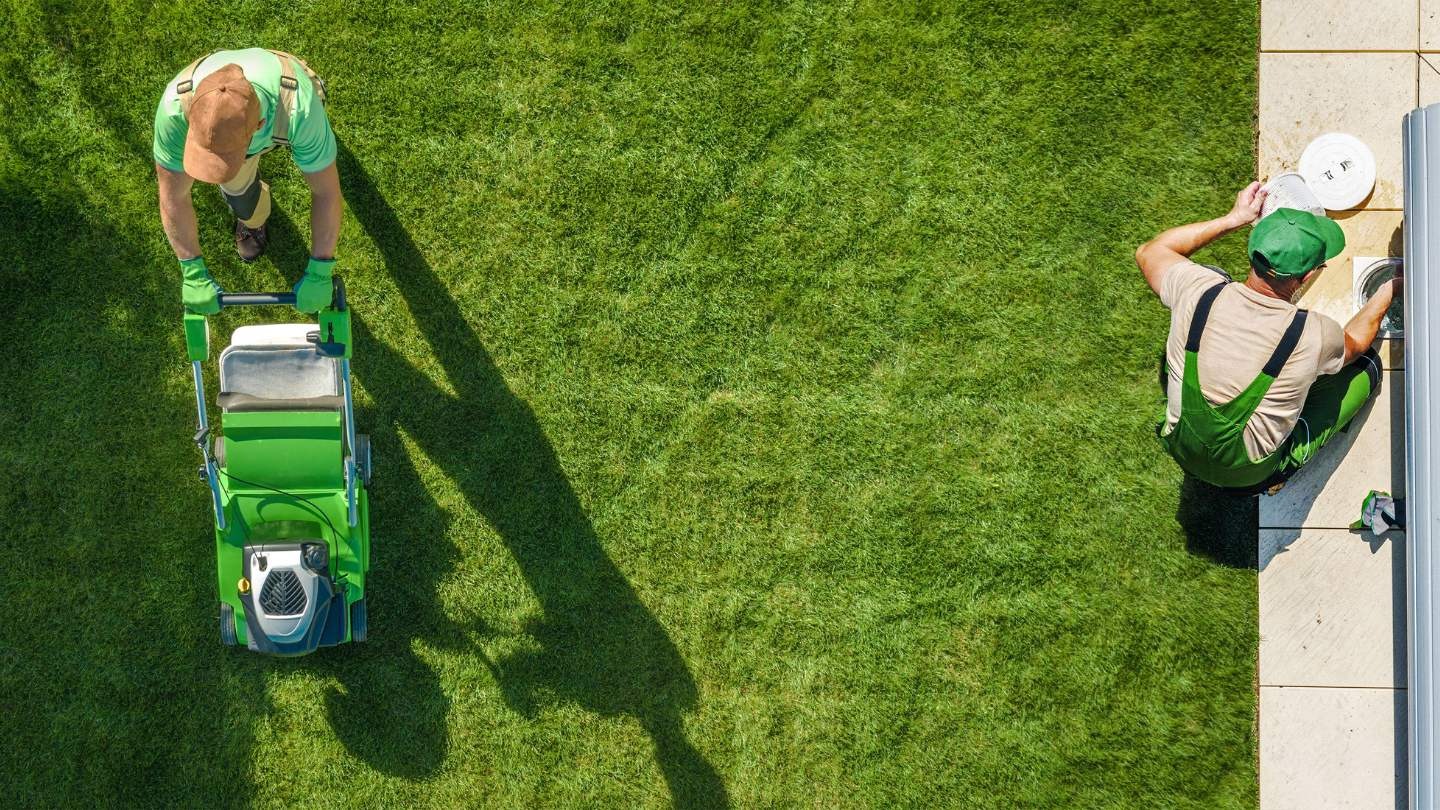
Seasonal changes affect every part of a backyard, including grass growth, plant health, hard surfaces, and water features.
Adapting maintenance tasks throughout the year helps plants thrive, limits pest problems, and protects long-term property value.
Consistent care across lawn areas, garden beds, trees and shrubs, hardscapes, and backyard ponds supports healthy growth and reduces costly repairs.
A structured seasonal plan keeps outdoor spaces functional, attractive, and resilient all year.
Spring
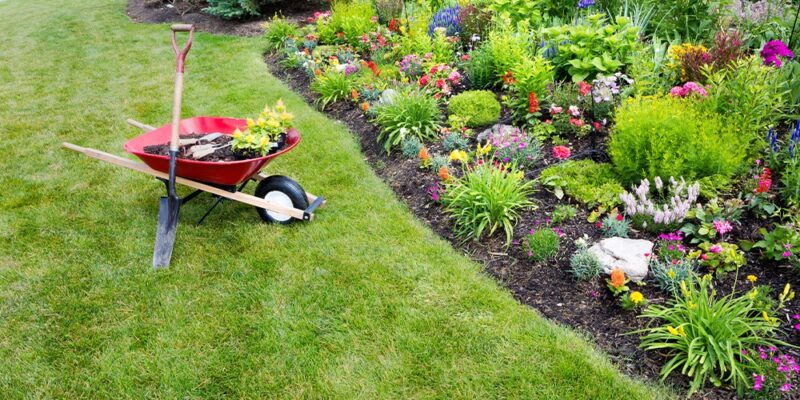
Spring marks a shift toward active growth across turf, planting areas, woody plants, hard surfaces, and water features.
Early-season tasks focus on clearing winter residue, improving soil conditions, and setting strong foundations for months ahead.
Attention during spring reduces stress later and supports steady development.
Lawn Care
Grass begins active growth as soil temperatures rise, making early maintenance especially effective.
Winter debris traps moisture near turf crowns, so removal improves airflow and reduces disease risk. Compacted soil limits root expansion, while aeration restores oxygen movement and water penetration.
Weed prevention proves most effective early in the season, before aggressive species gain a foothold.
Nutrients applied during early spring support color improvement and gradual recovery without forcing excessive top growth.
Several actions provide measurable benefits during early spring:
- Pre-emergent weed control applied in March blocks crabgrass germination.
- Fertilizer supports green-up and balanced turf recovery.
- Overseeding fills thin areas, especially after dethatching.
- Mowing starts at a higher height, followed by gradual lowering as grass strengthens.
Garden Beds
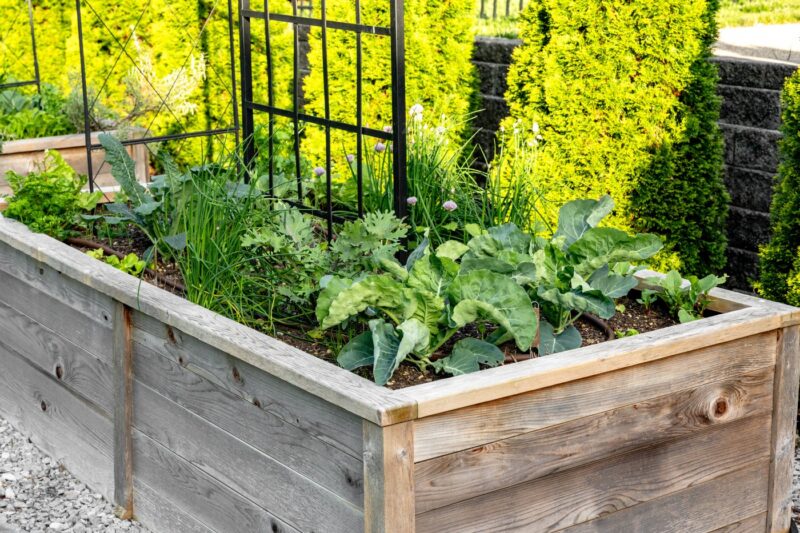
Planting areas respond quickly to spring preparation. Soil worked with compost or organic matter improves structure, drainage, and nutrient availability before roots begin spreading.
Cool-season vegetables and flowers tolerate lower temperatures and establish best early.
Perennials crowded during previous seasons benefit division, which restores airflow and encourages healthier blooms.
Old mulch often shelters pests and disease spores, so removal helps reset beds before a fresh protective layer goes down.
Trees and Shrubs
Woody plants transition slowly out of winter rest, making early inspection important.
Protective wraps can come off as temperatures stabilize, allowing bark to breathe. Dead or damaged branches reduce energy efficiency and invite disease, so removal encourages healthier growth.
Shrubs that flower during summer respond best to pruning before active growth begins.
Mulch applied around bases stabilizes soil moisture and temperature, while clear space near trunks limits rot and pest issues.
New plantings may require added care during early spring:
- Extra watering supports root establishment after dry winters.
- Mulch helps conserve moisture and moderate soil temperature.
- Early pruning directs energy into healthy shoots.
Hardscape and Tools
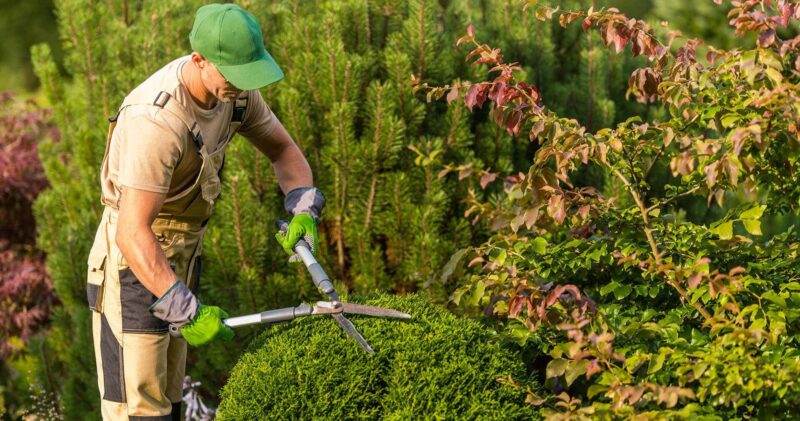
Hard surfaces and equipment often show wear after winter weather. Spring cleaning removes grime, mildew, and residue that shorten material lifespan.
Wood structures benefit sealing to limit moisture damage and sun exposure. Freeze-thaw cycles may cause cracks or shifting, so early inspection prevents further deterioration.
Lawn and garden tools perform best after sharpening and tuning, reducing strain during frequent use.
Irrigation systems need reconnection and testing to ensure proper coverage before regular watering begins.
Several spring tasks protect functionality and efficiency:
- Decks and fences gain protection through cleaning and sealing.
- Pathways require inspection for cracks or movement.
- Mowers and pruning tools need sharpening and adjustment.
- Rain barrels support efficient water collection during the growing season.
Pond Maintenance
Water features restart gradually during spring as temperatures rise. Debris, leaves, and sludge collected over winter affect water clarity and oxygen levels, so removal improves overall balance.
Pumps and filters require inspection and careful restart after seasonal shutdown. Fish metabolism increases as water reaches about 50°F, allowing feeding to resume in small amounts.
Aquatic plants benefit trimming to remove dead growth, while marginal plants may need repositioning or replanting.
Summer
Summer introduces heat stress, faster growth, and increased water demand.
Maintenance during this period centers on protection, moisture management, and careful monitoring.
Adjustments help plants endure high temperatures while maintaining steady performance.
Lawn Care
Heat places turf under strain, so mowing height becomes a critical factor.
Taller grass shades soil and slows moisture loss. Deep watering delivered early in the morning encourages roots to grow downward rather than staying near the surface.
Weed pressure and fungal disease often increase during warm, humid conditions, making observation important.
Fertilizer use should remain limited to avoid burning grass or triggering excessive growth during peak heat.
Garden Beds
Active growth defines summer planting areas.
Regular harvesting keeps vegetables producing and prevents plants going to seed too early. Monthly fertilization supports flowers and edibles during heavy nutrient demand.
Pest and disease pressure increases during warm weather, so prompt treatment prevents spread.
Mulch conserves moisture and limits weed growth, while deadheading directs energy into continued flowering.
Several summer practices support productivity:
- Consistent harvesting encourages continued yields.
- Monthly feeding supports flowers and vegetables.
- Mulch improves moisture retention during heat.
- Deadheading extends bloom duration.
Trees and Shrubs
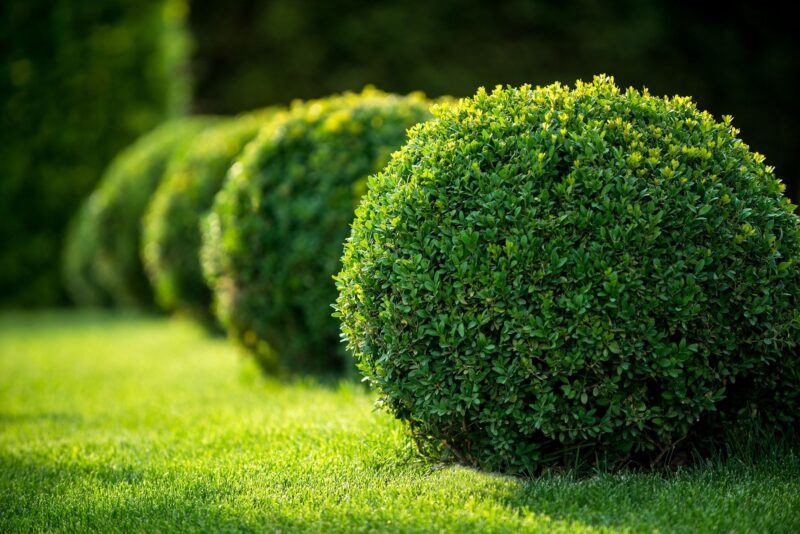
Young trees and shrubs require consistent moisture during dry periods. Weekly watering supports root development and reduces stress.
Leaves and branches should be checked regularly for insect damage or disease symptoms.
Hedges respond well to summer trimming, and spring-flowering shrubs can be pruned after blooms fade to maintain shape and health.
Hardscape and Equipment
Warm weather encourages weed growth between pavers and along cracks, requiring routine removal.
Outdoor furniture exposed to sun and humidity benefits regular cleaning to limit mildew and fading.
Irrigation systems should be checked periodically to confirm even distribution and proper function.
Backyard Pond Maintenance
Higher temperatures increase evaporation, making water level monitoring essential. Algae growth becomes more likely, sometimes requiring UV clarifiers or natural treatments.
Filters and skimmers perform best when cleaned weekly. Fish benefit shade provided by lilies or floating plants, reducing overheating risk.
Aeration using fountains, waterfalls, or air pumps supports oxygen levels during hot periods.
Fall
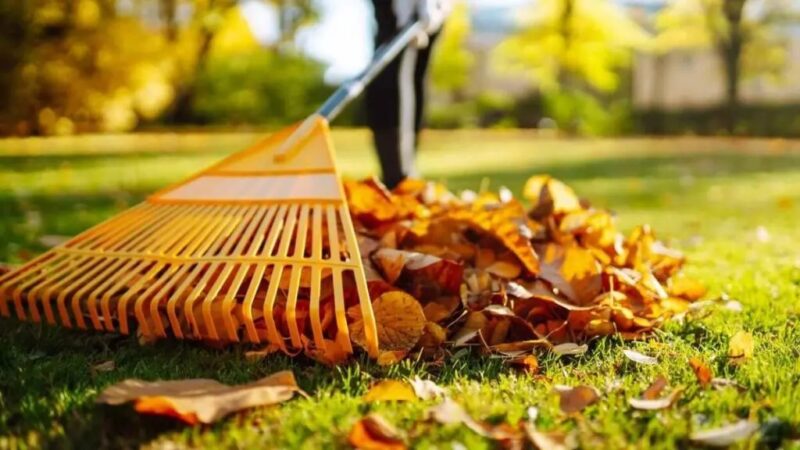
Fall offers favorable conditions for recovery and preparation. Cooler temperatures reduce stress, while soil warmth supports root growth.
Work completed during fall strengthens plants and structures ahead of winter dormancy.
Lawn Care
Repair efforts prove highly effective during fall.
Aeration relieves compaction and improves seed contact during overseeding.
Slow-release fertilizer applied during fall strengthens roots and supports spring performance.
Mowing continues until growth slows completely. Fallen leaves should be removed and composted to prevent turf smothering and disease development.
Garden Beds
Planting areas transition toward rest as temperatures drop.
Cutting perennials back to about six inches reduces disease risk and tidies beds. Spring-flowering bulbs planted during fall establish roots before winter.
Late vegetables should be harvested ahead of frost. Non-hardy bulbs need digging and storage.
Compost or mulch added during fall protects soil structure during cold months.
Trees and Shrubs
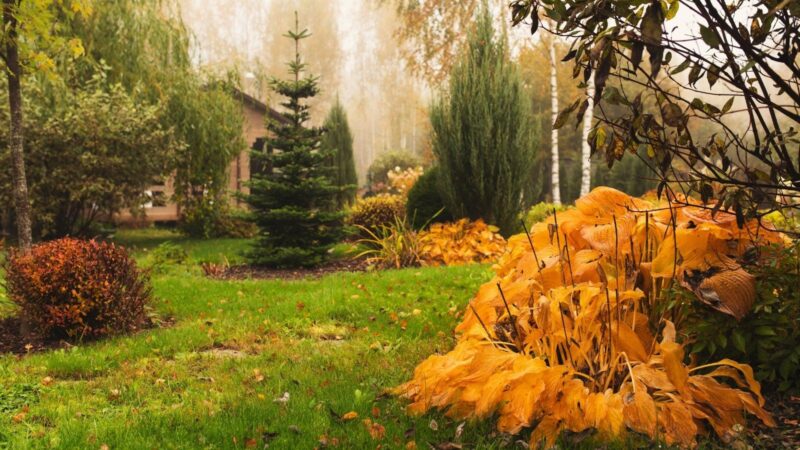
Fall creates favorable conditions for planting and structural care across woody plants. Warm soil encourages continued root growth, while cooler air reduces stress on foliage.
Trees and shrubs planted early in fall gain time to establish strong root systems before winter dormancy.
Existing plantings benefit from inspection and cleanup that limits overwintering pests and disease.
Several fall actions improve long-term health and resilience:
- New trees and shrubs establish roots efficiently due to warm soil temperatures.
- Roses and tender shrubs may require wrapping or added protection in colder regions.
- Fallen fruit attracts insects and rodents, so regular removal lowers pest pressure.
- Leaf cleanup beneath trees improves airflow and reduces fungal issues.
Pruning during fall should remain limited to damaged or diseased branches, since heavy cutting may stimulate growth vulnerable to cold.
Mulch added around bases helps regulate soil temperature and moisture, while keeping space clear near trunks prevents rot.
Hardscape and Tools
Outdoor structures and equipment benefit careful preparation before winter conditions arrive.
Water trapped in irrigation systems or hoses expands during freezing, leading to cracks and costly repairs. Lawn and garden tools last longer when properly cleaned and stored.
Small surface issues addressed during fall prevent larger damage during winter.
Storage areas should remain dry and organized, allowing tools to stay accessible and protected. Early attention reduces spring repair demands and extends equipment lifespan.
Backyard Pond Maintenance
Fall pond care focuses on debris control, water quality, and preparation for cold weather.
Falling leaves introduce organic material that breaks down and affects oxygen levels.
Fish metabolism slows as temperatures drop, requiring gradual changes to feeding routines. Plant management during the fall prevents decay during the winter months.
Winter
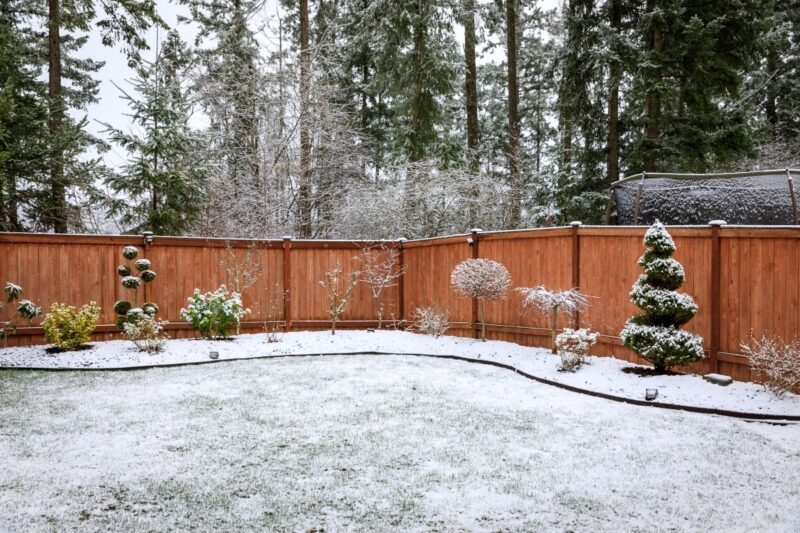
Winter shifts outdoor care toward protection, observation, and planning.
Growth pauses across most areas, yet damage can still occur without basic oversight.
Short check-ins during colder months reduce repair needs and prepare outdoor spaces for an efficient spring restart.
Lawn Care
Grass enters dormancy or slows growth significantly during winter, making turf more sensitive to pressure and environmental stress.
Frozen blades and crowns break easily, leading to thinning and delayed recovery once temperatures rise.
Snow and debris can also weigh down turf, limiting airflow and encouraging disease once melting begins.
Careful movement and restraint during winter help protect turf structure and support stronger spring green-up.
Garden Beds
Planting areas rest during winter, yet stored materials and future plans require attention. Bulbs and tubers stored indoors can dry out or rot without periodic checks.
Winter offers an ideal window for reviewing bed layouts and planning crop rotation or flower placement.
Light pruning performed late in winter prepares plants for new growth without stimulating early development.
Several winter tasks support successful spring planting:
- Stored bulbs and tubers should be inspected regularly.
- Damaged or rotting specimens need removal.
- Seed orders can be placed early to secure preferred varieties.
- Planting layouts benefit revision before soil work begins.
- Light pruning of ornamental trees suits late winter conditions.
Thoughtful planning during winter reduces rushed decisions once planting season begins.
Trees and Shrubs
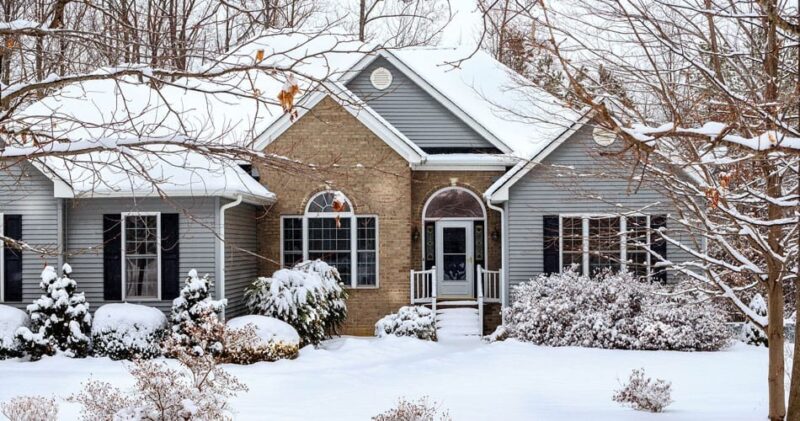
Woody plants continue limited activity during winter, especially evergreens.
Dry conditions can stress foliage and roots, even during cold weather.
Protective measures reduce physical damage caused by temperature swings and wildlife.
Fruit trees respond well to winter care that improves structure and reduces pest pressure.
Timely attention supports plant health without triggering unwanted growth.
Hardscape and Tools
Hard surfaces and equipment face increased risk during freezing conditions. Improper snow removal can scratch or crack decks, walkways, and patios.
Tools stored without cleaning or inspection often develop rust or mechanical issues.
Winter also allows time for repairs that prove difficult during busier seasons.
Cold-season maintenance helps preserve materials and function:
- Plastic shovels reduce surface damage during snow removal.
- Tools benefit cleaning, sharpening, and rust inspection.
- Minor repairs to structures can be completed during mild periods.
- Storage areas should remain dry and organized.
- Addressing wear during winter reduces delays once outdoor work resumes.
Pond Maintenance
Ponds require careful oversight during winter due to ice formation and reduced biological activity.
Ice traps gases released by decaying material, which can harm fish if not managed properly.
Fish metabolism slows dramatically, making feeding unsafe once water temperatures drop too low. Structural elements also face stress as ice expands and contracts.
Steady winter care supports healthy overwintering and smoother pond recovery once temperatures rise.
For effective pond ice control, consider using a surface aerator to keep water open, support oxygen exchange, protect fish health, and prevent ice damage to docks and other structures.
Closing Thoughts
Consistent seasonal maintenance protects outdoor investments and supports long-term health across all backyard elements.
Proactive lawn care, attentive garden upkeep, proper tree management, and balanced pond maintenance promote strong growth and visual harmony year-round.
Adjusting tasks to local climate conditions and plant types ensures optimal results and dependable outdoor performance through every season.