

After a volatile few years shaped by record inflation, climbing interest rates, and tight housing supply, Illinois is now heading into 2026 with cautious optimism in its real estate sector.
From the suburbs of Chicagoland to downstate communities, buyers, sellers, and investors alike are watching closely for signals of a shifting market.
While affordability challenges and limited inventory remain concerns, early trends suggest that the landscape may start to look different as economic conditions stabilize and policy adjustments ripple through.
In this article, we break down what economists, realtors, and data analysts expect for Illinois housing in 2026, with a closer look at pricing trends, buyer behavior, regional shifts, and potential legislative impacts.
Market Overview: Where Illinois Stands Entering 2026
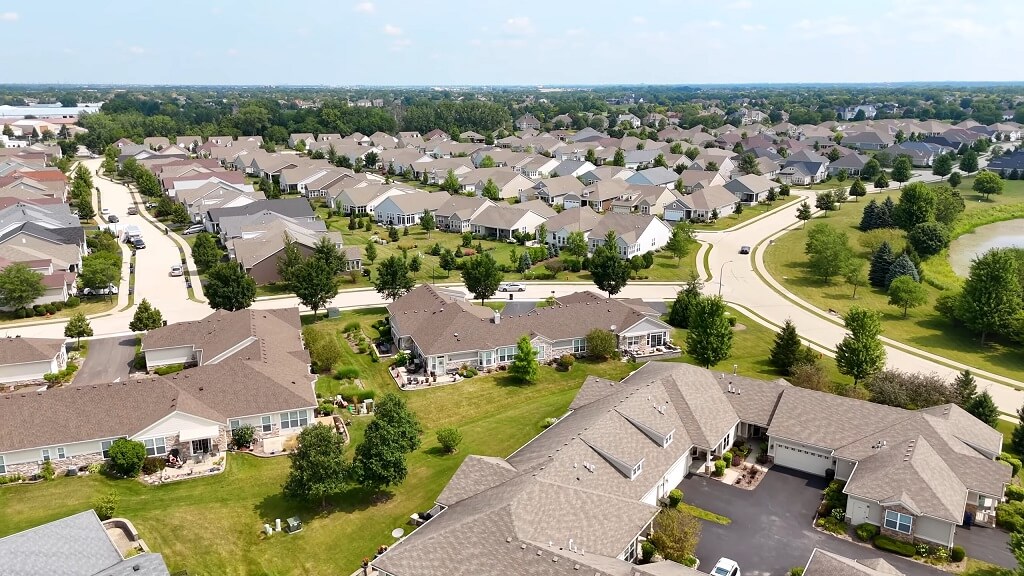
Illinois steps into early 2026 with a housing market that feels calmer than the year before, though many of the same pressures remain.
Buyers return slowly as mortgage rates start to ease from their peak levels.
Sellers still face limited competition because inventory stays low in many parts of the state, which keeps prices from slipping.
Market watchers describe the environment as steady: activity improves, but no dramatic surge appears on the horizon.
What Statewide Trends Show
Early forecasts suggest a small rise in both home prices and the number of homes sold through the year.
These are modest changes, but they point to a market that moves instead of stalling.
Mortgage rates stay in focus since even small changes shape what buyers can afford. If rates ease just a bit more, more buyers enter the market.
How National Signals Shape Illinois
National housing projections for 2026 expect slow price growth and slightly stronger buyer traffic. Illinois follows that pattern.
Rates in the low six percent range remain challenging for some households but manageable enough to keep the market active.
Chicago Metro vs Downstate Markets

Chicago metro begins 2026 in stronger shape than many downstate areas. The region benefits from its large job base, broad transit network, and steady buyer demand.
Homes in city neighborhoods and first ring suburbs attract attention even with tight inventory. Downstate markets move at a slower pace with more variation.
Some communities tied to steady employers hold firm while others feel softer demand.
What Drives the Chicago Area
Early predictions show rising interest from buyers who waited in 2025 for rates to settle. Well located neighborhoods and suburbs with reliable transport links continue to draw the most activity.
Prices grow slightly, supported by limited supply and strong demand in specific pockets.
Mortgage Rates and Buyer Activity in Early 2026
Mortgage rates in early 2026 remain in the 6.1 to 6.4 percent range. Buyers respond better to this level than during periods when rates moved far higher. Monthly payments become easier to calculate, and more households return to active searches. Buyer behavior turns focused, with attention on taxes, age of structure, and long term cost of ownership.
Early data shows a slow release from the mortgage lock in effect. Many households now pay rates above 6 percent, so a new mortgage feels less extreme. This trend may bring more listings through spring and summer, which can add needed supply.
Home Prices and Early 2026 Trends
State median home price stood near 299,400 dollars at the end of 2025, which marked a 5.7 percent year over year rise. Forecast groups expect price growth through 2026 to fall in a 3 to 4 percent range. This rhythm signals stable demand without rapid spikes.
Chicagoland continues to support higher values due to job centers, transport access, and steady interest from buyers who want proximity to employment.
Downstate areas move with more variation. Some counties hold values strongly, while others move at a slower pace due to limited buyer traffic or older housing stock. Early 2026 valuation data also shows that statewide home values gain more than 4 percent year over year.
Inventory and What It Means for Sellers and Buyers
Inventory begins to open slowly as 2026 starts. Several regions report a small rise in available homes compared to late 2025. Buyers feel the difference through better choice and a bit more bargaining room. Even with this rise, many popular neighborhoods still see quick movement due to low supply.
Future inventory depends on household decisions. Many people held onto mortgages near 3 percent during the earlier rate cycle. As more of the market now carries rates above 6 percent, the decision to move feels less punishing. This can bring a gradual increase in listings through the year. If that pattern strengthens, buyers gain choice and price pressure softens. If momentum weakens, supply stays tight and sellers maintain leverage.
Property Taxes and Insurance Costs in Illinois

Property tax pressure stays top of mind for anyone planning a move in 2026. Illinois carries some of the highest tax rates in the country, and buyers judge neighborhoods based on that monthly impact.
Counties with recent reassessments report stronger questions from buyers due to household budget limits. Insurance premium growth also influences decisions in several regions since weather related risk adjustments appear in annual renewals.
Premiums rise in areas with aging roofs or storm exposure. Buyers ask more questions about roof age, drainage, and recent claim history because every added cost influences loan approval and monthly planning.
Tips To Sell Your Home for More Money
Sellers in 2026 earn more when the home feels ready, easy to understand, and easy to trust. Buyers focus on cost, comfort, and condition, so every step that reduces worry leads to stronger offers.

Make the Home Look Fresh
A clean and bright home sets the tone right away. Fresh paint, trimmed yard, and clear walkways help buyers feel good as soon as they arrive. Small touches matter, including clean windows and simple decor.
Fix What Buyers Notice First
People worry about things that break easily, so fix loose handles, dripping faucets, old light fixtures, and any problem that signals neglect. These repairs cost little and remove doubts during showings.
Update One Key Area
Choose one space to improve, often the kitchen or bathroom.
A new faucet, better lighting, or updated cabinet hardware gives the room a smoother look without large spending.
Buyers respond well to homes that feel updated in the places they use every day.
Show Energy Savings
Buyers in 2026 care about monthly bills. If the home has newer windows, good insulation, or efficient heating, show that clearly. Place receipts or short notes where buyers can see them. This builds trust and supports a higher price.
Stage Rooms for Simple Living
People want to imagine easy daily life in the home. Remove clutter and arrange furniture to show clear movement through each room. A simple layout helps buyers picture their own routines.
Use High-Quality Photos
Online search decides who schedules a visit. Clear, bright photos taken during daylight show the home better than any long description. If possible, hire a local photographer or ask your agent to bring someone who knows how to shoot interiors.
Time the Listing Well
In Illinois, spring and early summer bring strong buyer traffic. Weather improves, daylight lasts longer, and many families plan moves before the next school year. A well timed listing earns more views and better offers.
What To Watch Through 2026
Three forces guide the Illinois market as the year unfolds.
- Mortgage rates shape how far buyers can stretch their budgets.
- Inventory sets the tone for competition since more listings create calmer conditions.
- Local employment drives interest in each region, especially in areas with medical centers, logistics hubs, and university communities.
Any shift in these areas shows up quickly through buyer traffic, days on market, and final sale prices. Early reports point toward steady movement, though analysts watch inflation, rate decisions, and job trends through every quarter.
Conclusion
Illinois moves into 2026 with a housing market that settles into a clearer path after years of turbulence.
Prices grow at a moderate pace, buyers return with more control, and sellers adjust to the new rhythm of demand.
Inventory opens slowly and supports a healthier balance between both sides. Households that prepare early and understand local conditions gain the strongest outcomes.
The year ahead carries fewer shocks and more room for planning, which helps anyone who enters the market with a clear goal.