
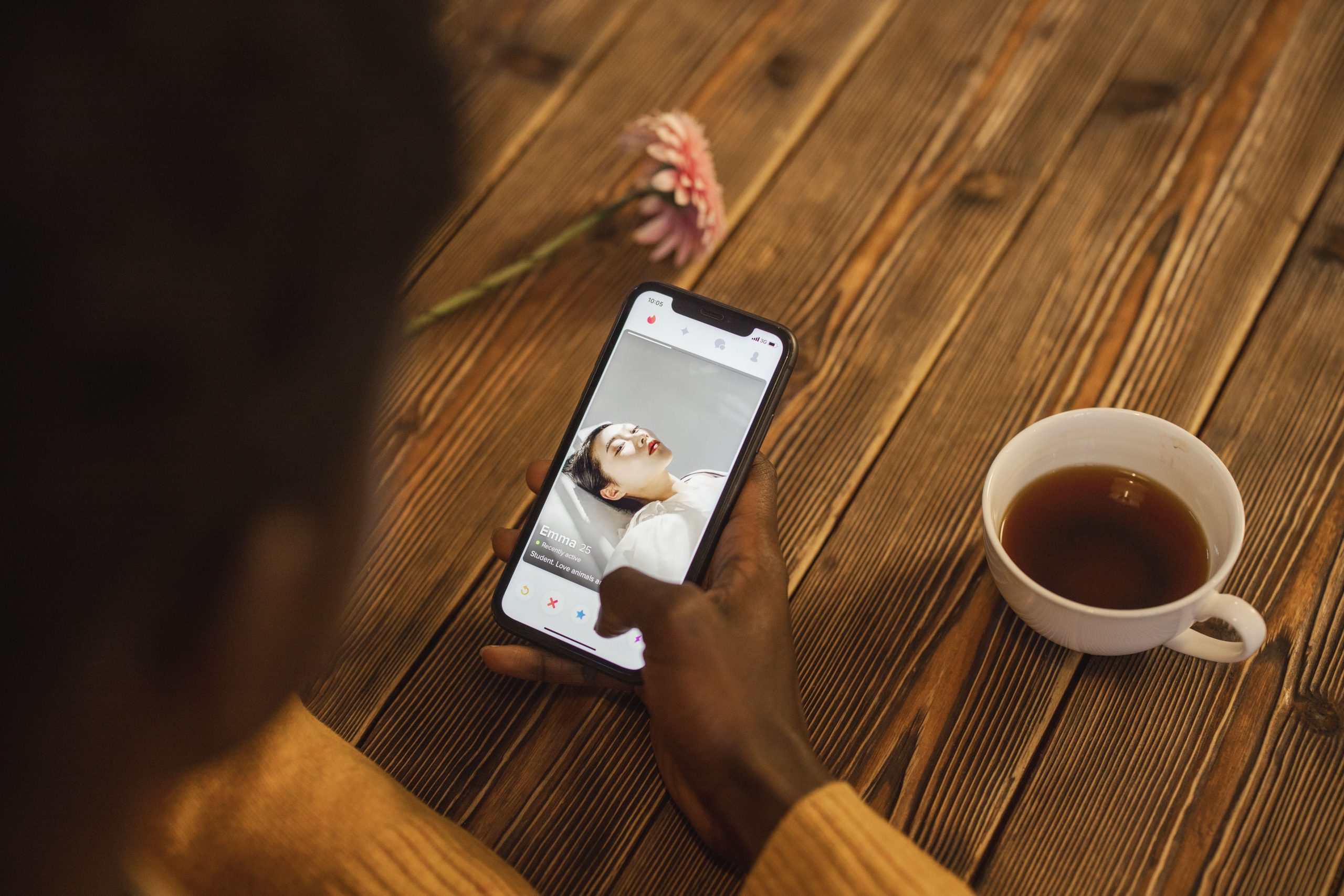
Not long ago, “we met online” could sound like an awkward confession. Now it is an ordinary beginning to a relationship, and for many people the relationship itself starts online: in a stream of messages, a voice note sent on a commute, or a video call from the sofa. The shift is bigger than dating apps. It is the rise of virtual intimacy: technology-mediated ways of flirting, getting to know someone, sustaining a relationship, or receiving companionship.
That does not mean digital contact has replaced physical closeness, or that everyone wants the same thing from it. The more interesting change is that online services have become part of the whole courtship process, rather than a separate, slightly embarrassing prelude to “real” dating.
First, the internet changed who could meet
Early online dating’s important innovation was not romance by algorithm. It was access. A website could put people who had never crossed paths in the same searchable space, loosening the old dependence on school, work, family and friends for introductions.
A 2019 study in Proceedings of the National Academy of Sciences, drawing on nationally representative U.S. survey data, found that 39% of heterosexual couples who met in 2017 had met online, compared with 2% of couples who met in 1995. The study estimated that online meeting overtook meeting through friends around 2013. That is not evidence that apps produce better relationships; it is evidence that they became a major social doorway.
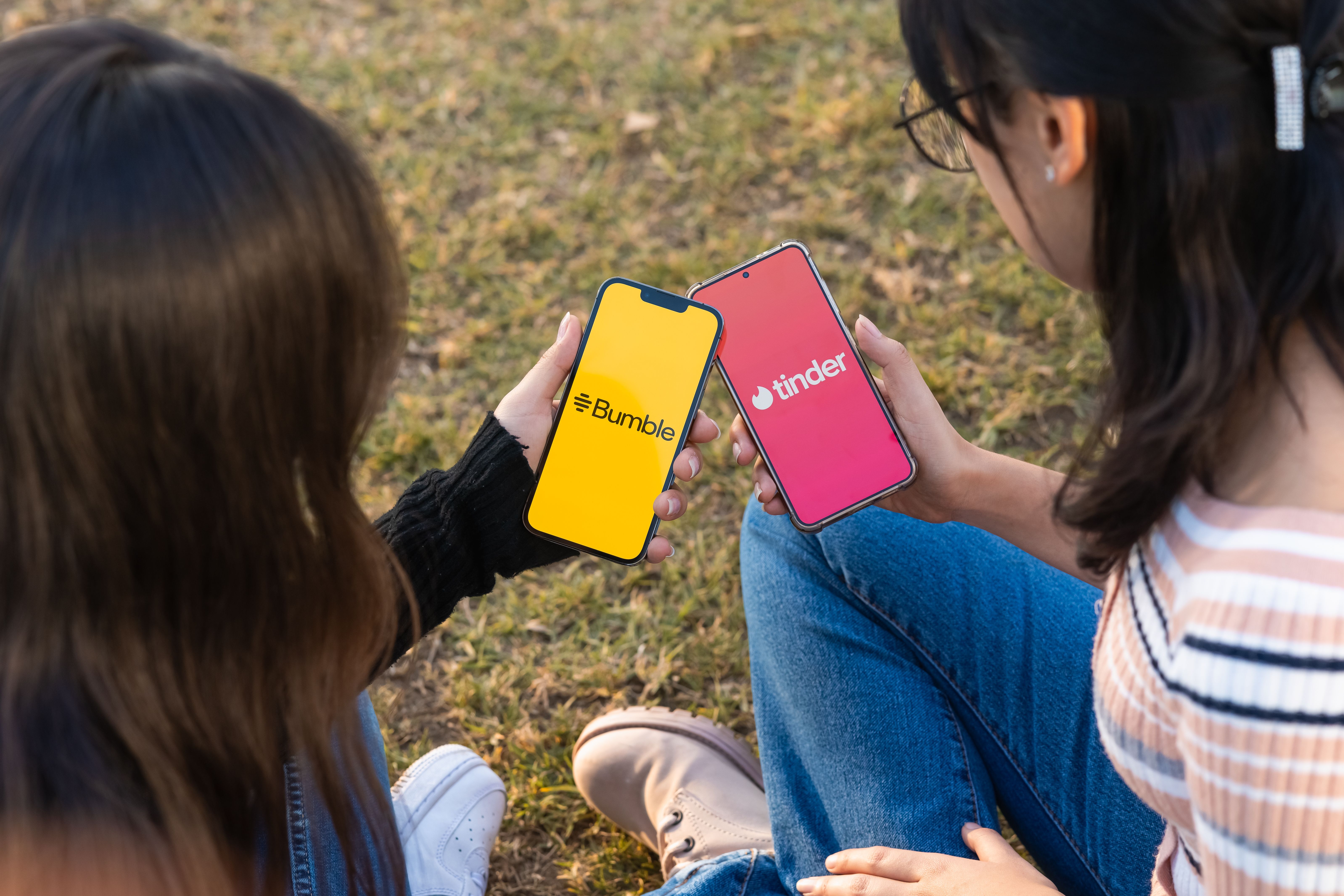
Smartphones made that doorway portable. Profiles and messages could be checked in the same small pauses once used to call a friend or scan a room. The result was a cultural normalization as much as a technical one: meeting a stranger through a service stopped requiring explanation. Still, mainstream does not mean universal. Pew Research Center’s 2023 report, based on a 2022 survey, found that 30% of U.S. adults had ever used a dating site or app. The share was higher among adults under 30 (53%) and lesbian, gay or bisexual adults (51%).
Those numbers also make a useful distinction: a service can reshape the culture without becoming everybody’s preferred way to date. The same Pew survey found that 59% of adults thought dating apps had neither a positive nor negative effect on dating and relationships. For many, these tools are practical infrastructure, not a grand theory of love.
The pandemic moved the date onto the screen
Online matching had already become familiar before COVID-19. The pandemic changed what happened after the match. When meeting in person became difficult or risky, voice calls and video dates shifted from optional features to workable ways of spending time together.
In Match’s 2020 Singles in America survey, 19% of singles reported video dating during the pandemic; the proportion reached 50% among Gen Z respondents. Of those who had video-dated, 68% said they used it to decide whether they wanted to meet in person. These are company-sponsored survey findings, not a census of daters, but they capture the practical role video took on: a lower-stakes step between a profile and a first meeting.
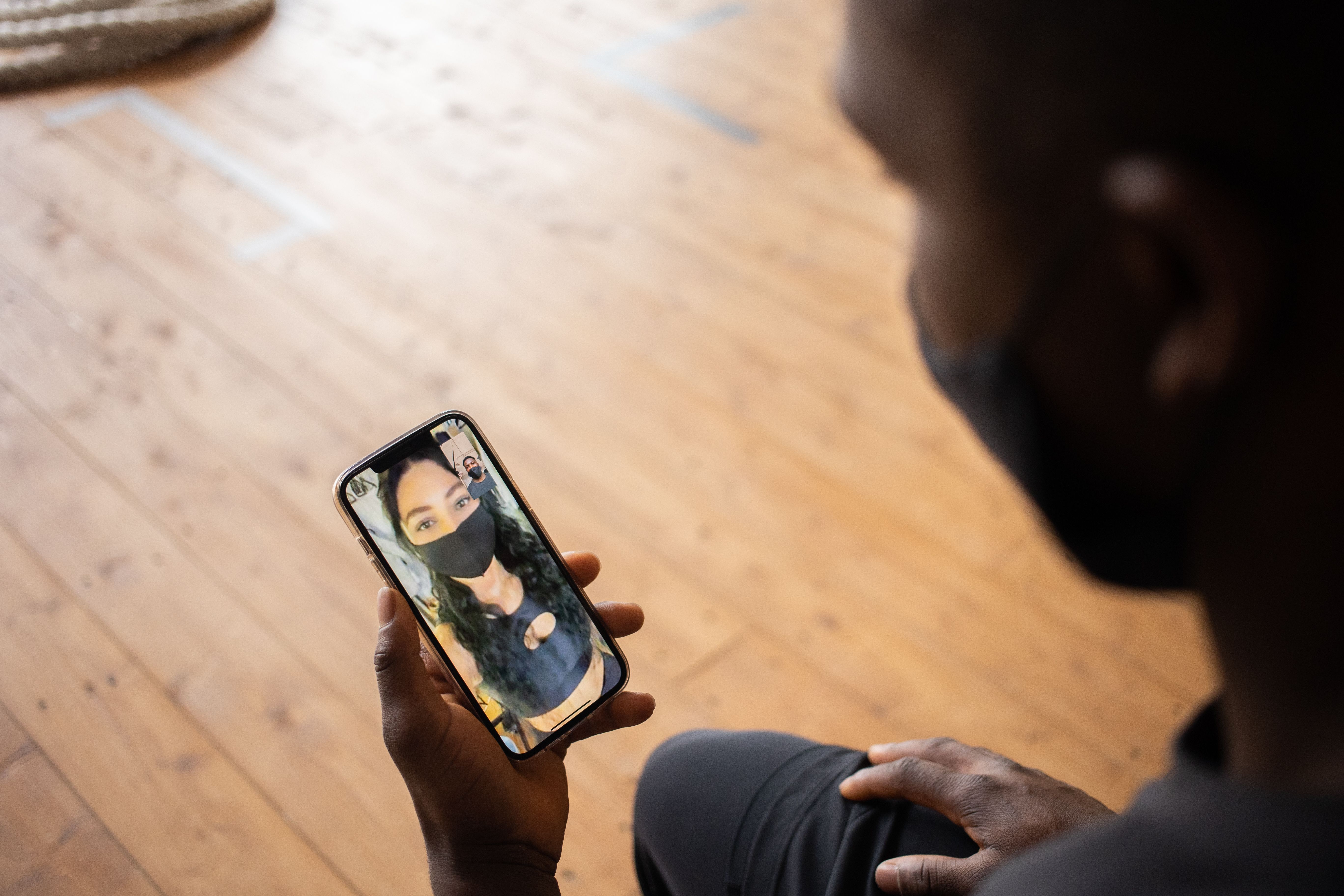
Video calls did not abolish awkwardness. They changed its setting. A screen can help someone check that a match resembles their profile, gauge conversational chemistry, and avoid handing over a phone number too early. It can also make a date feel like a work call, with both people watching their own faces in the corner of the screen. I think video works best as an option, not a new test everyone must pass: its value is convenience and a little more context, not certainty about who someone is.
For long-distance couples, video has a different job. It is not just a filter before meeting, but a recurring way to share ordinary moments when travel is not possible. A call while cooking or winding down can feel less like an event than a small piece of daily life.

“Virtual intimacy” is a wider market than dating apps
Dating apps help people discover one another, but virtual intimacy services cover more than introductions. They include paid or subscription-based chat and video experiences, live interactive entertainment, relationship tools for couples who are apart, and conversational AI companions. These offerings are not interchangeable: a dating profile is usually designed to lead to a human relationship, while other services may sell attention, entertainment, role-play or the feeling of company itself.
That distinction matters. Digital intimacy is not automatically fake because it happens through a screen; emotional meaning depends on what participants understand the interaction to be. But the business model can shape expectations. A dating platform generally benefits when users keep searching, while a paid companionship service may charge for access or time. The user should know whether they are seeking a mutual relationship, a performance, or a reliable conversation-and whether the service is clear about who or what is on the other side.
Some services are designed to lead from digital contact to an in-person meeting; others remain virtual by design. The broader companionship economy includes offline options too, such as München escort services, which should not be confused with dating apps or presented as a substitute for reciprocal romantic connection. The useful point is that people now navigate a spectrum of services, and transparency about the kind of interaction being offered matters more than a label like “virtual.”

Convenience comes with a boundary problem
A screen can lower the barrier to contact, but it can also blur what users are consenting to: saving or sharing intimate images, recording a call, moving to another platform, or paying for escalating access. A good rule is to treat privacy as part of intimacy, not paperwork to handle later. Avoid sending anything you would not want stored, and slow down if someone pressures you to move off-platform, disclose personal details, or send money.
There is also a quieter boundary question: when does a tool that eases loneliness become something a person relies on in place of the connections they actually want? There is no single answer. Someone in a long-distance relationship may use a nightly video call to feel close; someone else may prefer a paid, clearly bounded conversation because they do not want to date. Those are different needs, and services should not pretend they are the same.
My view is that the best virtual intimacy services are explicit about their limits. They make it easier to connect while leaving room for a person to choose the next step-or not take one. The worst promise that a subscription, a match score, or an always-available digital companion can resolve the uncertainties that make relationships human in the first place.
Virtual is now part of dating, not a detour from it
Cyber dating went mainstream through a chain of small changes: the web widened the pool, phones put that pool within reach, and video let people spend time together before deciding whether to meet. The pandemic accelerated the last step, but it did not invent the desire to build connection through technology.
Virtual intimacy services will keep expanding because they answer different needs, from finding a partner to staying close across distance or seeking structured companionship. Their success should not be measured only by screen time. A better measure is whether users understand what is being offered, feel in control of their privacy, and can make the kind of connection they came for. The screen is no longer the opposite of a date. It is one of the places a date begins, continues, or sometimes ends.
Sources: Michael J. Rosenfeld, Reuben J. Thomas and Sonia Hausen, “Disintermediating your friends,” PNAS (2019); Pew Research Center, “The who, where and why of online dating in the U.S.” (2023; survey fielded in 2022); Match, 10th annual Singles in America survey release (2020).