
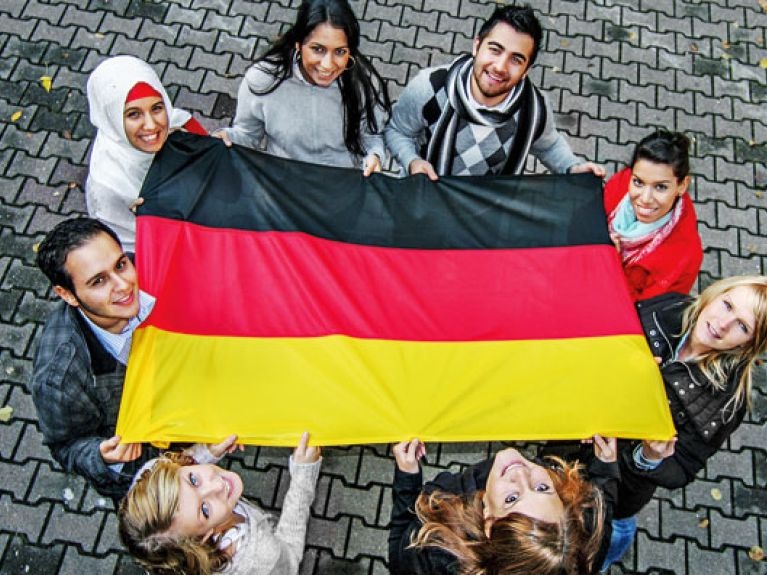
If you spend time in Illinois and look a little closer, you start to notice patterns. Street names, food traditions, old churches, even town layouts point back to Germany. This connection did not happen by chance. It came from a long, steady movement of people who arrived with clear goals, settled in specific places, and shaped daily life in ways that still matter today.
This is not just a story about the past. It explains why parts of Illinois feel familiar to visitors from Germany and why the connection still shows up in culture, business, and travel.
Why Germans Came to Illinois in the First Place
Before looking at what remains today, it helps to understand why so many Germans chose Illinois. The reasons were practical, not abstract.
Many immigrants arrived in the mid 1800s when land in the Midwest was available and relatively affordable. Some were farmers who needed space to build a stable life. Others were skilled workers who saw growing cities like Chicago as places where their trades would be useful.
Political factors also played a role. After the failed revolutions of 1848, a large number of educated Germans left Europe and settled in American cities.
A short summary helps make sense of it:
- Economic pressure in German regions made it hard to sustain farms
- Political instability pushed educated groups to leave
- Illinois offered land, jobs, and expanding towns
- Established communities attracted more immigrants over time
By 1860, German immigrants made up about 8 percent of Illinois’ population.
This was not a small influence. It was a large, visible shift in the population.
A Personal Lens on Cultural Exchange
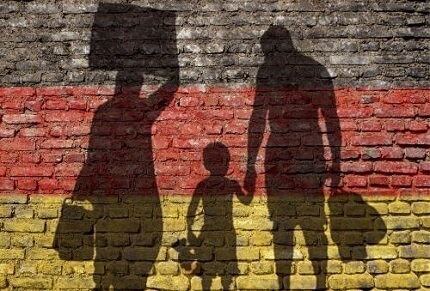
When you look at how people moved between Germany and Illinois, it is not just about migration. It is also about relationships, travel, and shared curiosity. That is still true today.
If you explore modern connections, you will find services like Louisa, which reflect how personal experiences continue to link cultures across borders. These connections are not always formal or historical. They often happen through travel, communication, and everyday interaction.
That is important because it shows the story did not end in the 19th century. It continues in smaller, human ways. The historical migration created a foundation, but ongoing exchanges keep the relationship active.
Where German Influence Took Root in Illinois
Once Germans arrived, they did not spread randomly. They formed communities that made it easier to preserve language, customs, and social structures.
Chicago became the most visible center. By the late 19th century, Germans were one of the largest ethnic groups in the city.
At one point:
| Area | German Presence |
| Chicago (1900) | Largest ethnic group |
| Illinois overall (1910) | Over 319,000 German immigrants |
| Chicago (1914) | One of the largest German cities globally |
But cities were only part of the story. Smaller towns also became centers of German life.
- Quincy attracted early settlers with strong farming backgrounds
- Belleville and St. Clair County developed dense German communities
- Schaumburg remained largely German-speaking into the 20th century
These places still carry traces of that origin, even if language use has faded.
What Germans Brought With Them
Immigration is not just about people moving. It is about systems, habits, and expectations moving with them.
German immigrants contributed in several practical ways:
- Farming techniques suited to Midwestern land
- Brewing and food traditions that shaped local industries
- Education systems that valued structured schooling
- Political participation, including leadership roles in Illinois
They also built institutions that helped maintain identity. Churches, schools, and newspapers in German were common across Illinois communities.
This created a stable environment where traditions could continue across generations.
How the Connection Changed Over Time
The connection between Illinois and Germany did not remain constant. It shifted, especially during periods of conflict.
World War I had a direct impact. Public pressure forced many German Americans to reduce visible ties to their heritage. German language use declined in schools and churches.
A simple breakdown shows the change:
- Before 1914: German language and identity widely visible
- 1914 to 1920: sharp decline in public expression of German heritage
- Afterward: gradual integration into broader American identity
This does not mean the connection disappeared. It became less visible, but it remained present in family histories, place names, and cultural habits.
What You Can Still See Today
If you travel through Illinois today, the German influence is still there, but it requires attention to detail.
In Chicago, neighborhoods like Lincoln Square still reflect German roots. Cultural events and markets continue to draw on those traditions.
Across the state, you can notice:
- Town names with German origins
- Historic churches built by German communities
- Food traditions tied to Central European cooking
- Festivals that reflect older cultural practices
Around 16 percent of Illinois residents still report German ancestry.
That is a large share of the population, even today.
Why This Connection Still Matters for Travelers
Understanding this history changes how you experience Illinois. Instead of seeing it as a generic Midwestern state, you start to notice specific influences.
If you are visiting from Germany, some aspects will feel familiar. If you are traveling from elsewhere, this context helps explain why certain traditions exist.
It also works in the opposite direction. Many Americans with roots in Illinois travel to Germany to explore family history or cultural origins.
This creates a two way relationship:
- Illinois reflects German heritage in daily life
- Germany remains a reference point for identity and travel
- Both places benefit from continued cultural exchange
This is not theoretical. It shapes how people travel, what they look for, and how they understand local culture.
A Connection Built by People, Not Abstract History
When you step back, the link between Illinois and Germany becomes clear. It was built through practical decisions. People moved for land, work, and stability. They formed communities that preserved their habits and values. Over time, those communities blended into the wider culture without disappearing completely.
The result is a lasting connection that still shows up in everyday life. You can see it in neighborhoods, in food, in names, and in the way people trace their background.
It is not something you need to study in detail to notice. You just need to know what to look for.